


Long hours, tight deadlines, and high-stakes transactions make investment banking a demanding field. Success requires focus, stamina, and a methodical approach to solving complex problems.
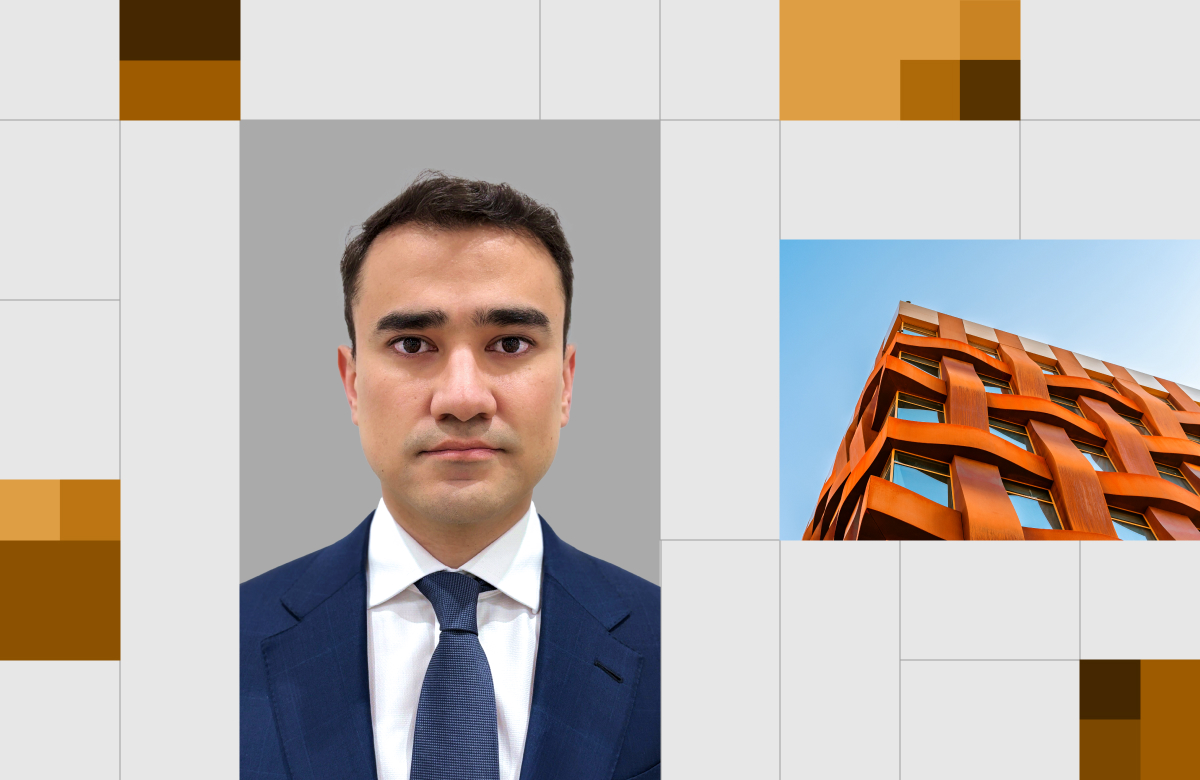
Sanjar Abdurakhmonov, Vice President at Citi, developed these skills early in his career through engineering, automotive strategy, and an MBA. He shared his journey into investment banking, memorable high-profile deals, and his perspective on AI’s growing role in dealmaking.
Q: How did you first get into investment banking?
I came into investment banking through the MBA route. When I moved to the United States for my MBA, I already knew I wanted a career in either consulting or investment banking. I tried both and quickly realized consulting was not the right fit.
Before the MBA, I worked in business development and strategic planning at General Motors. Although I have a mechanical engineering degree, I never actually worked as an engineer. During my time in the automotive sector, I helped sell one of our assets. Though a small transaction, it sparked my interest in deals.
In investment banking, the objectives are clear. Company A wants to acquire Company B, a client is raising capital, or a company is going public. You work to find solutions around those goals. As an engineer, I was drawn to the structured problem-solving approach.
Q: How has your engineering background influenced your approach to banking?
Engineering taught me to break problems into manageable steps and work methodically toward a solution.
This systematic approach is invaluable in investment banking, from valuations and modeling to managing deals under tight deadlines. It really helps with the high-pressure nature of the job, keeping focus and clarity even during intense deal periods.
Q: What were the biggest challenges when you first started?
Two challenges stand out. First, the technical learning curve. I joined as an associate alongside analysts with years of experience and had to quickly master skills like valuations, financial modeling, and benchmarking, all while keeping up with live deal deadlines.
Second, I started full-time in 2020, in the middle of the pandemic. Everything was remote, so I couldn’t just turn to a colleague for help. Scheduling calls or sending messages slowed things down. Combined with the sheer volume of work, those first two years were some of the toughest professionally, but they taught me independence, resourcefulness, and how to manage my workflow under pressure.
Q: How does remote working fit into your role at Citi? There’s been a lot of talk about it in the industry.
Citi allows hybrid work, which is more flexible than many competitors. Personally, I prefer being in the office. It allows faster collaboration, helps separate work from personal life, and makes it easier to clarify questions or review materials immediately.
For the pace and immediacy of investment banking, being in person makes a real difference.
Q: Can you share an early deal that left a lasting impression?
I worked on a large take-private transaction, advising a European client acquiring a UK-listed company. The deal was highly public, and Bloomberg even ran a story on it.
It was a crash course in cross-border regulatory processes, deadlines, and coordination. One memorable moment involved a colleague visiting an executive’s home to take a passport photo for compliance purposes. That deal showed me how dynamic and high-profile transactions can be and how important discretion, attention to detail, and careful planning are.
Q: What does a typical day look like as a Vice President?
I’m essentially the project manager or “quarterback” for the deal team. I coordinate client requests, manage resources, and make sure everything gets done efficiently. For pitches, I translate the Managing Director’s ideas into detailed proposals.
A big part of my role is managing juniors and ensuring they focus on meaningful tasks. Poor delegation can quickly lead to burnout and even longer hours.
Relationship management is also crucial. Even small interactions, like answering a client’s sector question or offering a concise update outside a live deal, build credibility over time. Clients remember when you add value without being asked.
Q: Which skills are most essential for someone starting in investment banking?
Three come to mind. First, technical competence. You need to know finance, accounting, Excel, and PowerPoint before starting. With so many resources available, there’s no excuse not to come prepared.
Second, stamina. The early years are particularly long and demanding. Endurance and focus are essential to keep pace with learning and heavy workloads.
Third, visibility and networking. Make yourself seen and known within the team by delivering good work, communicating clearly, and being proactive. These traits build credibility and help you stand out.
Q: How is AI being used in your work, and what impact has it had so far?
At Citi, we use internal AI tools built on large language models that are fully contained within our systems for security. They’re useful for summarizing long documents, comparing report versions, and providing quick overviews of unfamiliar sectors.
I remember manually comparing two versions of a commercial due diligence report until 4 a.m. once. AI now does the same type of task in five minutes!
It’s an essential tool to save time, reduce repetitive work, and enable juniors to focus on higher-value analysis. AI is a tool to enhance efficiency, not a replacement for judgment or experience. You still need to know what to ask and how to interpret the results.